Canada's Fighter Jet Choice: Navigating Superiority, Value, and Geopolitical Pressure
Canada finds itself at a pivotal crossroads, grappling with one of its most significant defense procurement decisions in decades. The debate centers on the future of the Royal Canadian Air Force (RCAF) and its next-generation fighter fleet, with the formidable F-35 Lightning II pitted against the cost-effective and highly capable Gripen E/F. This isn't merely a technical evaluation; it's a complex weave of strategic necessity, geopolitical pressure, national sovereignty, and fiscal responsibility. As nations worldwide grapple with evolving threats and the imperative to maintain air superiority, the choice Canada makes will resonate far beyond its borders, influencing its defense posture for decades to come.
The Geopolitical Chessboard: US Pressure and NORAD Implications
The decision-making process for Canada's new fighter jets has been complicated by explicit warnings from the United States. In a contentious move, former US Ambassador Pete Hoekstra indicated that if Canada were to reconsider its commitment to the F-35 program, specifically regarding its second, larger order, NORAD (North American Aerospace Defense Command) agreements could be altered. This implied that the US might even threaten to send fighter jets into Canadian airspace, whether welcome or not, to fulfill existing northern defense obligations. While armed US fighter jets already patrol Canadian airspace under NORAD, responsive to the Canadian Prime Minister in certain situations, Hoekstra's comments were widely interpreted as a direct shakedown to protect a US manufacturer.
Canada is already a committed partner in the F-35 program, with an initial order for 16 F-35s. The current pressure from the US aims to secure a second, larger order of approximately 70 F-35s, pushing back against Saab's determined efforts to sway Canada towards its Gripen fighters. This situation highlights the delicate balance Canada must maintain between its vital alliance with the US and its own sovereign procurement interests. The notion that a shift in procurement could lead to fundamental changes in a foundational Cold War-era defense agreement like NORAD underscores the high stakes involved.
F-35 Lightning II: The Apex of Air Dominance
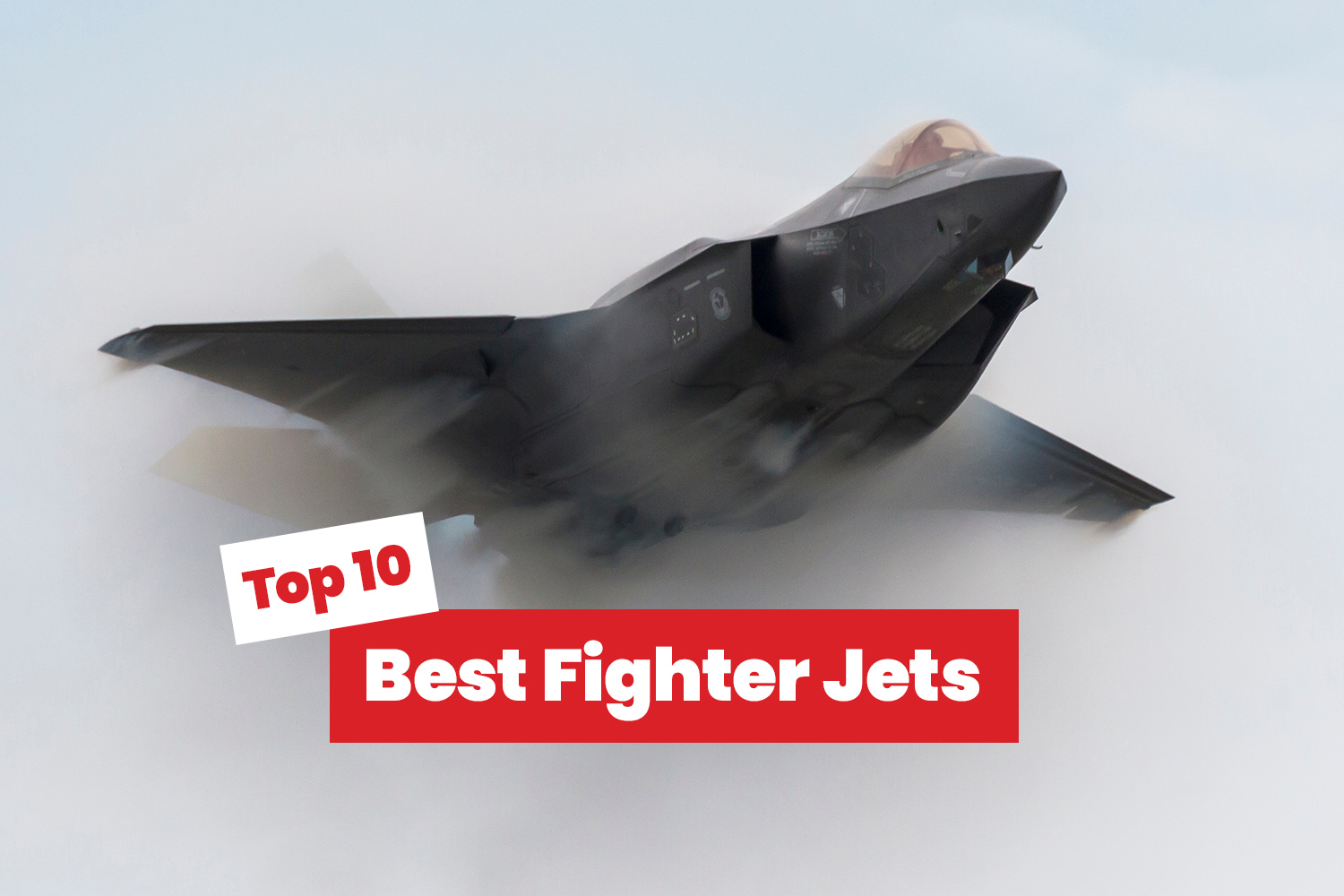
The Lockheed Martin F-35 Lightning II is undeniably at the cutting edge of military aviation. As a fifth-generation stealth multirole fighter, it offers unparalleled capabilities that appeal strongly to military strategists and align with NATO doctrine centered on air dominance through superior technology. The RCAF's reported preference for the F-35 stems from its advanced features:
- Stealth Technology: Its low-observable design allows it to operate deep within contested airspace with reduced risk of detection, a critical advantage against advanced adversaries.
- Sensor Fusion: The F-35 integrates data from multiple onboard and off-board sensors, providing pilots with an unprecedentedly comprehensive and cohesive view of the battlespace. This enables superior situational awareness and decision-making.
- Network-Centric Warfare: Designed to operate as a node in a larger network, the F-35 can share vast amounts of data with other aircraft, ground forces, and command centers, enhancing overall combat effectiveness.
- Advanced Avionics & Weapons: Equipped with sophisticated electronic warfare suites and capable of carrying a wide array of precision-guided munitions.
Proponents argue that investing in the F-35 ensures Canada operates at the forefront of military technology, maintaining interoperability with key allies like the US and UK. In an era where conflicts like the Russia-Ukraine war demonstrate the dire consequences of relying on outdated technology against a modern foe, having fifth-generation capabilities is seen as a crucial deterrent and operational necessity. Even the initial 16 F-35s, potentially stationed at Cold Lake, would provide a squadron of fifth-generation northern patrol capabilities, a significant upgrade over the aging CF-18s.
Gripen E/F: Value, Adaptability, and Robustness
While the F-35 represents the pinnacle of stealth technology, the Saab Gripen E/F (often referred to as a 4.5-generation fighter) presents a compelling alternative, particularly when considering factors like cost-effectiveness, operational flexibility, and ease of maintenance. The Gripen is not merely a replacement for the CF-18s but a substantial upgrade in its own right, boasting modern avionics, improved sensors, and enhanced weapon systems.
Key advantages of the Gripen include:
- Lower Operating Costs: Historically, Gripens have proven to be significantly cheaper to operate per flight hour compared to their fifth-generation counterparts, freeing up defense budgets for other priorities or larger fleet numbers.
- Robustness and Dispersed Operations: Designed with Sweden's defense doctrine in mind, the Gripen can operate from shorter, improvised runways, including highways, and requires less ground support, making it highly adaptable for decentralized operations across Canada's vast and often remote territory.
- Ease of Maintenance: Its design prioritizes straightforward maintenance and quick turnaround times, which is crucial for high operational readiness, especially in challenging environments like the Arctic.
- Advanced Sensors & EW: While not stealth, the Gripen E/F features an active electronically scanned array (AESA) radar, advanced electronic warfare systems, and superior data link capabilities, allowing it to compete effectively in many modern air combat scenarios.
The argument for the Gripen often hinges on value: can Canada achieve its NORAD commitments and sovereign defense needs with a more affordable, robust, and numerous fleet? Some analysts suggest a dual-platform approach could be optimal, using the already committed 16 F-35s for high-end, contested missions, while deploying a larger fleet of Gripens for general air policing, Arctic patrols, and training. This could allow Canada to maintain a strong presence without the prohibitive costs associated with an all-F-35 fleet, especially given that Canada's CF-18s, some of which are "Aussie hand-me-downs," are nearing the end of their operational lives, necessitating a comprehensive replacement rather than just an upgrade.
Beyond the Hangar: Strategic Considerations for Canada
Canada's fighter jet decision is more than a technical evaluation; it's a strategic choice with profound implications for national security, sovereignty, and its role on the global stage. Several factors underscore the complexity:
- Aging Fleet and Procurement History: Canada's CF-18s have undergone multiple modernizations but are fundamentally aging airframes, some operating well beyond their initial intended lifespan due to a lengthy and often complicated procurement history. The current fleet's fatigue mandates an urgent and decisive replacement.
- Northern Patrol Capabilities: Protecting Canada's vast Arctic airspace, which is gaining increasing strategic importance, requires reliable and capable aircraft that can operate effectively in extreme conditions. Both the F-35 and Gripen offer significant upgrades over the CF-18 in this regard.
- Public Sentiment and Sovereignty: The direct nature of US pressure, including the implication that the US might unilaterally send fighter jets into Canadian airspace, has not been well-received by the Canadian public, fostering a desire to assert national sovereignty in defense procurement.
- The Evolving Global Threat Landscape: As demonstrated by recent events, such as the UK's decision to send four additional Typhoon fighter jets to Qatar to bolster defenses amid the ongoing Iran war and address drone threats, the need for modern, flexible air power is a global constant. The ability to project force, deter aggression, and defend national interests relies heavily on having state-of-the-art aircraft. Nations must be prepared to quickly send fighter jets to address emergent threats, whether domestically or in support of allies.
The chosen platform must not only meet NORAD commitments but also fulfill Canada's broader defense and foreign policy objectives, including contributions to UN missions and NATO operations. The cost of acquisition, through-life operating expenses, industrial benefits, and interoperability with allies all weigh heavily on the final decision.
Conclusion
The choice between the F-35's undisputed technological superiority and the Gripen's compelling value and operational flexibility represents a defining moment for Canadian defense policy. While the F-35 offers a clear path to fifth-generation air dominance, aligning perfectly with NATO's advanced capabilities, the Gripen presents a robust, adaptable, and potentially more numerous solution tailored to Canada's unique geographic and fiscal realities. Navigating the political pressures from its closest ally while safeguarding its sovereign interests and ensuring its military is equipped for future challenges will require careful strategic thinking. Ultimately, Canada's decision will determine not only its capacity to defend its vast airspace but also its posture on the complex geopolitical stage, ensuring it can effectively respond to threats and contribute to global security for decades to come.